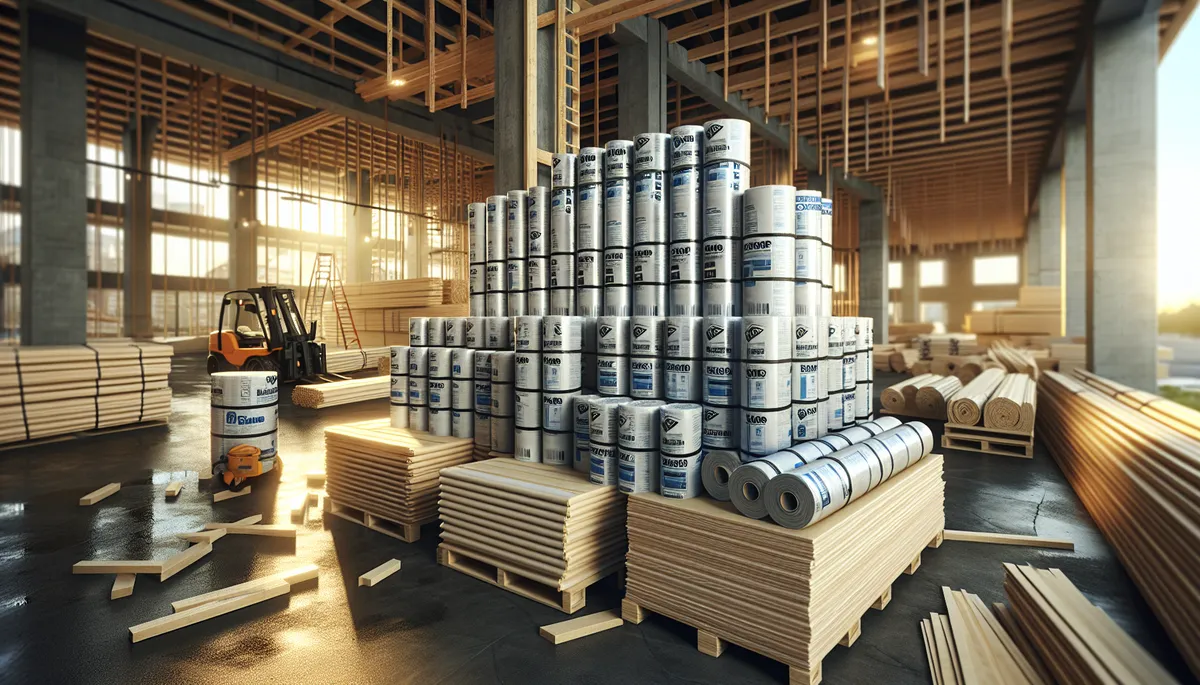
Best Underlayment for Metal Roofs: A Contractor’s Complete Guide
Learn which underlayment works best under metal roofing. This contractor guide covers synthetic, felt, and self-adhering options for standing seam, corrugated, and metal shingle roofs.


Learn which underlayment works best under metal roofing. This contractor guide covers synthetic, felt, and self-adhering options for standing seam, corrugated, and metal shingle roofs.
Learn the key differences between ice and water shield and synthetic underlayment - when to use each, building code requirements, cost comparison, and how to use both together on every roofing project.
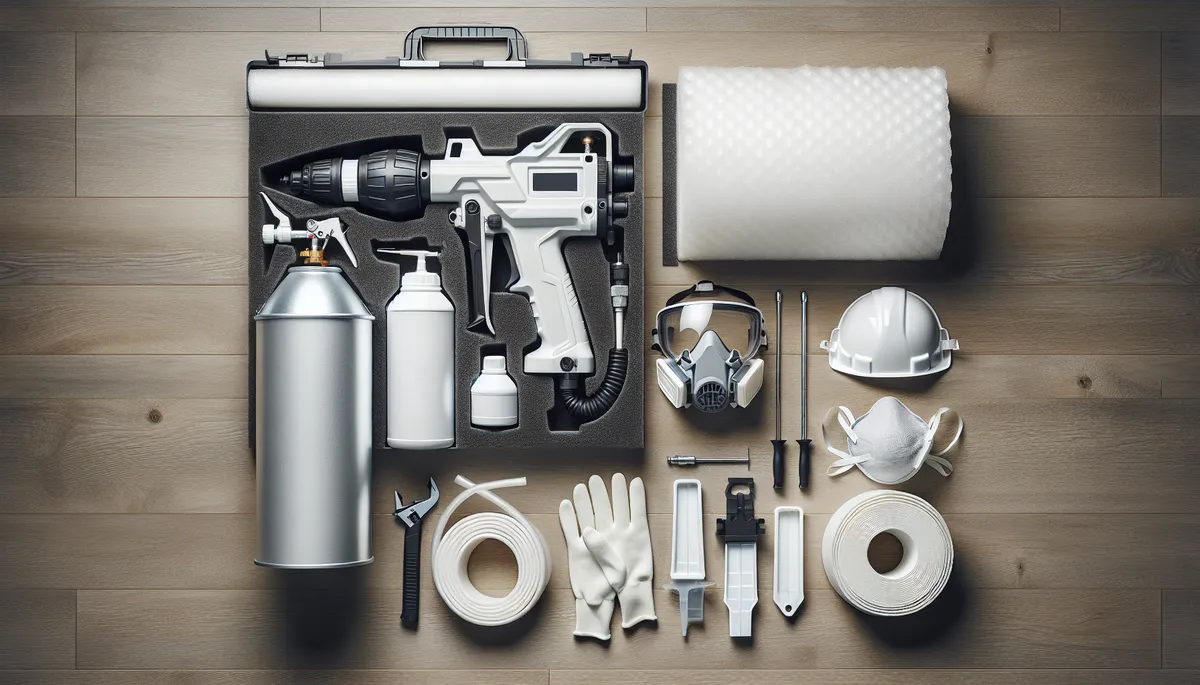
Everything you need to know about DIY spray foam insulation kits - types, sizes, costs, step-by-step application, safety requirements, and when to go pro. Expert guidance from R-Value Associates.
Tile roofs demand underlayment that can handle extreme heat, heavy weight, and a 50+ year lifespan. Learn about high-temp synthetic, self-adhering, and two-ply underlayment systems that match the durability of tile roofing.
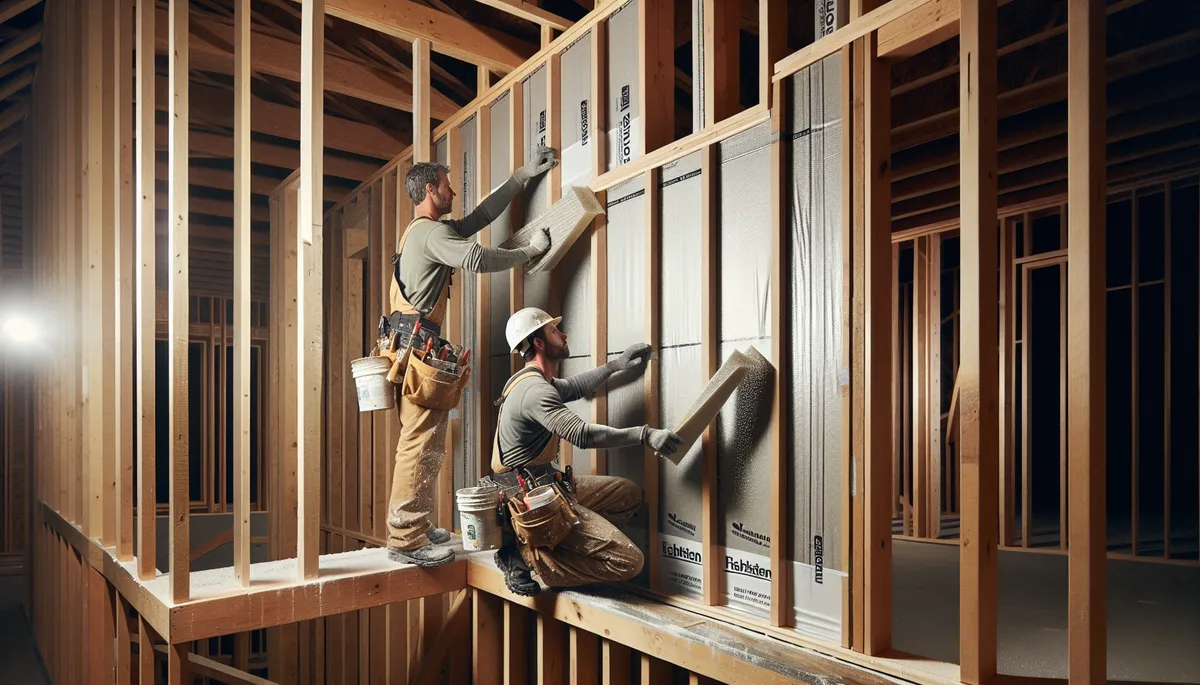
When it comes to protecting a building's envelope from moisture intrusion and air leakage, house wrap tape plays a critical role that's often underestimated. While the house wrap itself provides the primary barrier against water and air infiltration, the tape is what ensures all seams, overlaps, and penetrations remain fully sealed. Without proper taping, even [...]
When choosing between Typar house wrap and Tyvek for your construction project, understanding the key differences in performance, durability, and cost is essential. Both products have earned their place in the building materials market, but they take distinctly different approaches to moisture management and vapor control. In this comprehensive comparison, we examine Typar and Tyvek [...]
In modern construction and building science, few concepts are as fundamental - or as frequently misunderstood - as the building envelope. Whether you're designing a new structure, renovating an existing building, or simply trying to improve energy efficiency, understanding building envelope design is essential to creating comfortable, durable, and cost-effective buildings. What Is a Building [...]
When selecting rigid foam insulation for your building project, understanding R-values across different material types and thicknesses is critical for achieving optimal thermal performance. This comprehensive guide breaks down the R-values for the three primary rigid foam insulation types - expanded polystyrene (EPS), extruded polystyrene (XPS), and polyisocyanurate (polyiso) - helping you make informed decisions [...]
Choosing the right house wrap is one of the most critical decisions in modern construction. Whether you're building a custom home, a commercial facility, or managing a large-scale residential development, the house wrap you select directly impacts moisture protection, energy efficiency, and the long-term durability of the building envelope. In this comprehensive guide, we'll compare [...]
The open cell vs. closed cell question isn’t about which is “better”—it’s about which meets code requirements and performance criteria for the specific application. Get it wrong and you’re either over-specifying (wasting money) or under-specifying (creating liability). Here’s the decision framework we use when specifying spray foam for commercial and residential projects, organized by building [...]