

Custom house wrap has become one of the most effective jobsite branding tools in residential and commercial construction. Every roll that goes up on a framed building turns the entire structure into a billboard – visible to neighbors, passing traffic, and potential customers for weeks or months during the build.
But not all custom house wrap is created equal. The printing method used to apply your logo directly impacts how sharp it looks, how long it lasts, and how fast you can reorder. This guide breaks down the plate printing process – also known as flexographic printing – and explains why it produces a superior result for builders and contractors who take their jobsite branding seriously.
 r-valueassociates.com/wp-content/uploads/2026/02/plate-printing.jpeg” alt=”plate printing” width=”362″ height=”483″ srcset=”https://r-valueassociates.com/wp-content/uploads/2026/02/plate-printing-177×236.jpeg 177w, https://r-valueassociates.com/wp-content/uploads/2026/02/plate-printing-200×267.jpeg 200w, https://r-valueassociates.com/wp-content/uploads/2026/02/plate-printing-225×300.jpeg 225w, https://r-valueassociates.com/wp-content/uploads/2026/02/plate-printing-300×400.jpeg 300w, https://r-valueassociates.com/wp-content/uploads/2026/02/plate-printing-400×533.jpeg 400w, https://r-valueassociates.com/wp-content/uploads/2026/02/plate-printing-460×613.jpeg 460w, https://r-valueassociates.com/wp-content/uploads/2026/02/plate-printing-540×720.jpeg 540w, https://r-valueassociates.com/wp-content/uploads/2026/02/plate-printing-600×800.jpeg 600w, https://r-valueassociates.com/wp-content/uploads/2026/02/plate-printing-768×1024.jpeg 768w, https://r-valueassociates.com/wp-content/uploads/2026/02/plate-printing-800×1067.jpeg 800w, https://r-valueassociates.com/wp-content/uploads/2026/02/plate-printing-940×1253.jpeg 940w, https://r-valueassociates.com/wp-content/uploads/2026/02/plate-printing-1152×1536.jpeg 1152w, https://r-valueassociates.com/wp-content/uploads/2026/02/plate-printing.jpeg 1200w” sizes=”(max-width: 362px) 100vw, 362px” />
What Is Plate Printing?
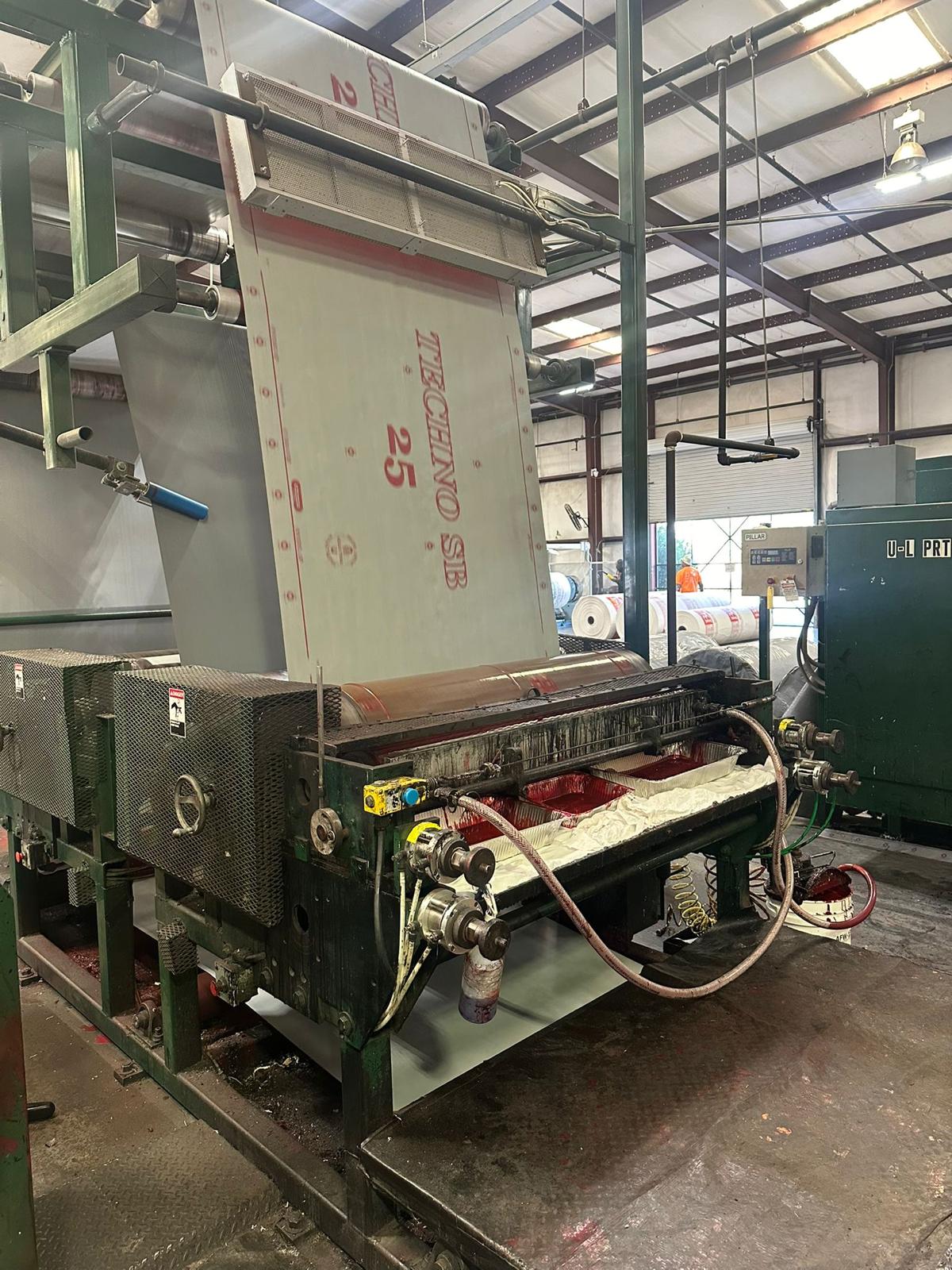
Plate printing is a form of flexographic printing, one of the oldest and most reliable high-volume printing methods in the world. It is the same fundamental technology used to print packaging, labels, and industrial materials – adapted specifically for house wrap substrates.
Here is how the process works:
- Your logo is converted into a printing plate. A physical plate – typically made from a flexible photopolymer material – is etched with your design. Think of it as a custom stamp machined to extremely tight tolerances.
- The plate is mounted on a printing cylinder. This cylinder rotates at high speed, pressing the plate against the house wrap material as it feeds through the press.
- Graphite-based ink is applied through the plate. Unlike digital inkjet printers that lay ink on top of the surface, the flexographic process uses graphite ink that is essentially tattooed into the surface of the house wrap material.
- The printed wrap is wound, cut, and shipped. Once the first plate is made, subsequent rolls are printed rapidly – which is why reorder turnaround times drop significantly after the initial order.
Why Graphite Ink Changes Everything
The ink used in plate printing is not your typical water-based or solvent-based ink. Graphite ink bonds with the house wrap substrate at a deeper level, creating what is essentially a permanent mark rather than a surface coating.
This matters for three critical reasons:
Fade Resistance
House wrap sits exposed to direct sunlight, rain, wind, and temperature swings for weeks or months. Standard printed wraps – particularly digitally printed ones – tend to fade as UV exposure breaks down surface-level inks. Graphite ink, because it is embedded into the material rather than sitting on top, holds up dramatically better against the elements. If your house wrap serves as part of your building envelope, it needs to maintain its integrity and appearance throughout the entire construction timeline.
No Ink Bleed
One of the most common complaints with lower-quality printed house wrap is ink bleed – where the edges of a logo or text look fuzzy or smeared, especially in humid conditions. Plate printing with graphite ink virtually eliminates this problem. The result is crisp, clean edges that look professional from day one through the end of the project.
Durability Under Handling
House wrap gets dragged across rough surfaces, stapled, cut, and manhandled on every jobsite. Avoiding common installation mistakes matters, but so does using a product that can withstand real-world handling. Ink that sits on the surface is vulnerable to scuffing and scratching. Graphite ink that has been pressed into the substrate takes significantly more abuse without degrading.
Plate Printing vs. Digital Printing for House Wrap
Most custom house wrap is printed using one of two methods: plate (flexographic) printing or digital inkjet printing. Each has its place, but they serve different needs. Understanding the difference is similar to evaluating custom house wrap vs. standard house wrap – the right choice depends on your specific situation.
| Factor | Plate Printing | Digital Printing |
|---|---|---|
| Image Quality | Crisp, high-contrast, consistent across every roll | Good, but can vary between print runs |
| Color Limit | 2 colors maximum | Full color (CMYK) |
| Fade Resistance | Excellent – graphite ink embedded into material | Moderate – surface inks degrade faster with UV |
| Ink Bleed | Minimal to none | More prone to bleed in humidity |
| First Order Lead Time | Longer (plate must be manufactured) | Faster (no plate needed) |
| Reorder Lead Time | Very fast (plate already exists) | Same as first order |
| Cost at Volume | Lower per roll at higher quantities | Higher per roll, lower upfront |
| Best For | Builders who reorder regularly | One-off projects or full-color designs |
The two-color limitation is the only real trade-off with plate printing. But in practice, most builders find this is not a limitation at all – the vast majority of contractor logos work perfectly in one or two colors, and many companies simplify their logo specifically for house wrap because a bold, clean two-color design actually stands out more on a jobsite than a busy full-color print.
The Reorder Advantage
Here is something most contractors do not think about until after their first order: you are going to reorder.
Custom house wrap is not a one-time purchase. Active builders go through rolls consistently, and when you run out mid-project, you need more fast. This is one reason the ROI of custom house wrap for commercial projects improves over time.
With digital printing, every order essentially starts from scratch. The print file gets re-processed, queued, and printed. Lead times are roughly the same whether it is your first order or your fifth.
With plate printing, the plate itself is a one-time investment. Once manufactured, it is stored and ready to go. Your second, third, and fourth orders are turned around dramatically faster because the setup work is already done. For builders running multiple projects simultaneously, this difference in turnaround can mean the difference between branded wrap on the building and generic white wrap going up because the custom rolls did not arrive in time.
Who Should Choose Plate Printed House Wrap?
Plate printing is the right choice if:
- You are a builder or contractor who orders house wrap regularly. The upfront plate cost pays for itself quickly in faster reorders and lower per-roll pricing at volume.
- Your logo works in two colors or fewer. Most contractor logos do. If yours does not, consider a simplified version – it will look sharper on the wrap anyway.
- Jobsite appearance matters to your brand. If you use your wrapped buildings as marketing tools – and custom house wrap can help you win more bids – the crisp, fade-resistant output of plate printing makes a noticeable difference.
- You build in areas with harsh weather exposure. Sun, rain, and wind punish surface-printed inks. Graphite ink handles it better.
Digital printing makes more sense for one-off promotional wraps, full-color designs, or situations where you need a small quantity without the upfront plate investment.
What to Expect When You Order
If you have never ordered plate printed custom house wrap before, here is a general overview of the process:
- Submit your logo and specify your colors. The printer works with you to optimize the design for flexographic reproduction – this usually means ensuring clean lines and appropriate sizing for the repeat pattern on the wrap.
- Plate manufacturing. Your custom plate is produced. This step adds time to the first order – typically a few extra business days compared to digital.
- Proof and approval. You receive a proof showing how the logo will appear on the wrap before the full run begins.
- Print run. Once approved, the actual printing is fast. The plate-on-cylinder process is built for speed and consistency.
- Reorders. For all future orders, the plate comes off the shelf and production begins immediately.
Related Resources
Frequently Asked Questions
What is plate printing for house wrap?
Plate printing is a flexographic printing method where a custom photopolymer plate is used to press graphite-based ink directly into the house wrap surface. This creates a permanent, crisp logo that resists fading and ink bleed better than digital printing methods.
How many colors can plate printed house wrap use?
Plate printed house wrap supports a maximum of two colors. Most contractor logos work well within this limitation, and many builders find that a bold one or two-color design actually stands out more on the jobsite than a busy full-color print.
Why is plate printing better for reorders?
Once the custom printing plate is manufactured for your first order, it is stored and reused for all future orders. This eliminates setup time and significantly reduces lead times on second, third, and subsequent orders compared to digital printing.
Does plate printed house wrap fade in sunlight?
Plate printed house wrap using graphite ink is significantly more fade-resistant than digitally printed alternatives. The graphite ink is embedded into the wrap substrate rather than sitting on the surface, making it far more durable against UV exposure, rain, and temperature changes.
What is graphite ink and why is it used on house wrap?
Graphite ink is a specialized ink that bonds with the house wrap material at a deeper level than standard inks. Rather than coating the surface, it is pressed into the substrate during the flexographic printing process, creating a permanent mark that resists fading, bleeding, and scuffing from jobsite handling.
Get Started with Plate Printed Custom House Wrap
Plate printing with graphite ink is the professional standard for custom house wrap – and for good reason. The print quality is sharper, the durability is superior, and the economics improve with every reorder. If you are ready to put your brand on every jobsite, contact R-Value Associates to discuss your custom house wrap options.
Custom house wrap has become one of the most effective jobsite branding tools in residential and commercial construction. Every roll that goes up on a framed building turns the entire structure into a billboard – visible to neighbors, passing traffic, and potential customers for weeks or months during the build.
But not all custom house wrap is created equal. The printing method used to apply your logo directly impacts how sharp it looks, how long it lasts, and how fast you can reorder. This guide breaks down the plate printing process – also known as flexographic printing – and explains why it produces a superior result for builders and contractors who take their jobsite branding seriously.
What Is Plate Printing?
Plate printing is a form of flexographic printing, one of the oldest and most reliable high-volume printing methods in the world. It is the same fundamental technology used to print packaging, labels, and industrial materials – adapted specifically for house wrap substrates.
Here is how the process works:
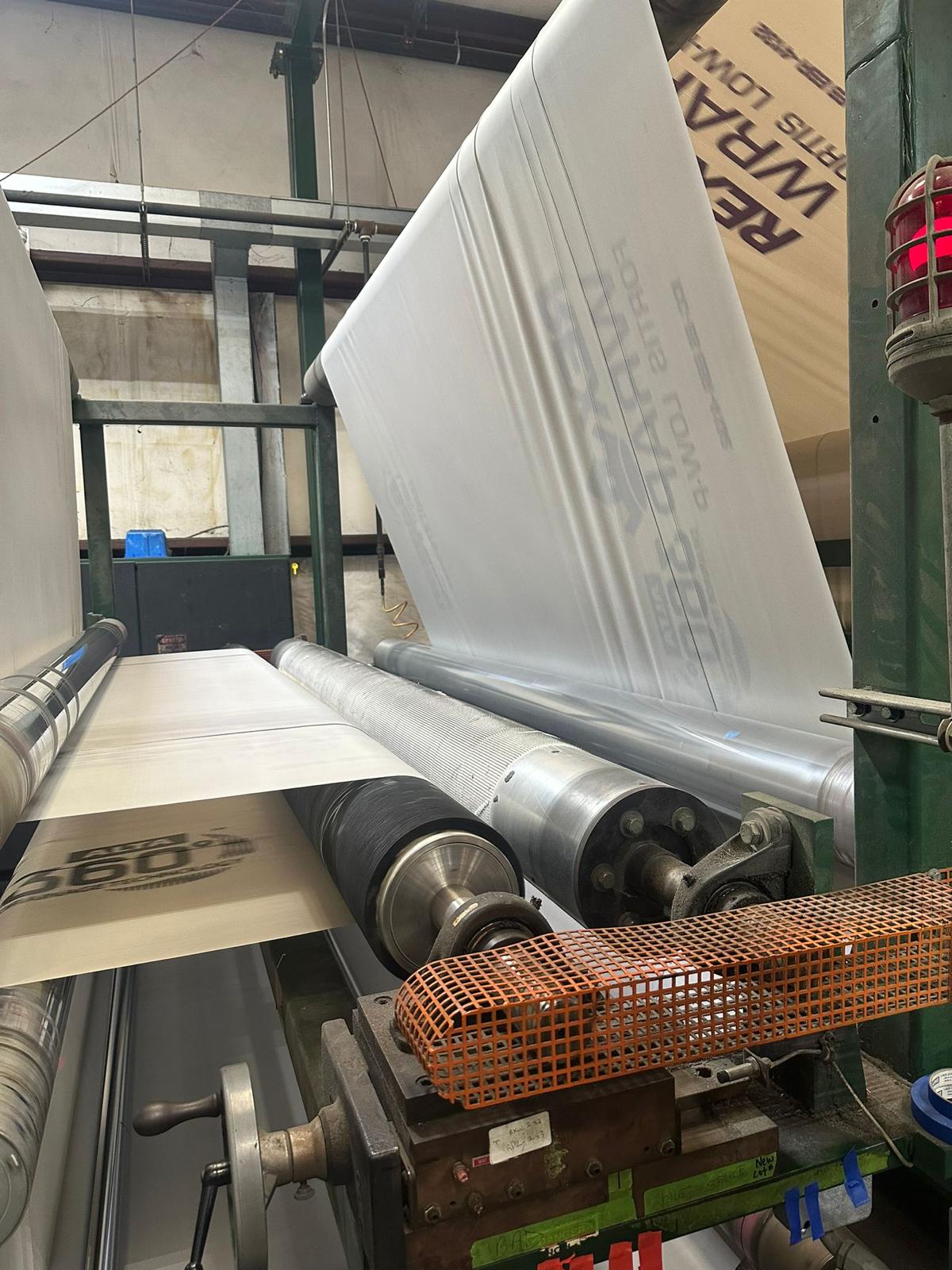
- Your logo is converted into a printing plate. A physical plate – typically made from a flexible photopolymer material – is etched with your design. Think of it as a custom stamp machined to extremely tight tolerances.
- The plate is mounted on a printing cylinder. This cylinder rotates at high speed, pressing the plate against the house wrap material as it feeds through the press.
- Graphite-based ink is applied through the plate. Unlike digital inkjet printers that lay ink on top of the surface, the flexographic process uses graphite ink that is essentially tattooed into the surface of the house wrap material.
- The printed wrap is wound, cut, and shipped. Once the first plate is made, subsequent rolls are printed rapidly – which is why reorder turnaround times drop significantly after the initial order.
Why Graphite Ink Changes Everything
The ink used in plate printing is not your typical water-based or solvent-based ink. Graphite ink bonds with the house wrap substrate at a deeper level, creating what is essentially a permanent mark rather than a surface coating.
This matters for three critical reasons:
Fade Resistance
House wrap sits exposed to direct sunlight, rain, wind, and temperature swings for weeks or months. Standard printed wraps – particularly digitally printed ones – tend to fade as UV exposure breaks down surface-level inks. Graphite ink, because it is embedded into the material rather than sitting on top, holds up dramatically better against the elements. If your house wrap serves as part of your building envelope, it needs to maintain its integrity and appearance throughout the entire construction timeline.
No Ink Bleed
One of the most common complaints with lower-quality printed house wrap is ink bleed – where the edges of a logo or text look fuzzy or smeared, especially in humid conditions. Plate printing with graphite ink virtually eliminates this problem. The result is crisp, clean edges that look professional from day one through the end of the project.
Durability Under Handling
House wrap gets dragged across rough surfaces, stapled, cut, and manhandled on every jobsite. Avoiding common installation mistakes matters, but so does using a product that can withstand real-world handling. Ink that sits on the surface is vulnerable to scuffing and scratching. Graphite ink that has been pressed into the substrate takes significantly more abuse without degrading.
Plate Printing vs. Digital Printing for House Wrap
Most custom house wrap is printed using one of two methods: plate (flexographic) printing or digital inkjet printing. Each has its place, but they serve different needs. Understanding the difference is similar to evaluating custom house wrap vs. standard house wrap – the right choice depends on your specific situation.
| Factor | Plate Printing | Digital Printing |
|---|---|---|
| Image Quality | Crisp, high-contrast, consistent across every roll | Good, but can vary between print runs |
| Color Limit | 2 colors maximum | Full color (CMYK) |
| Fade Resistance | Excellent – graphite ink embedded into material | Moderate – surface inks degrade faster with UV |
| Ink Bleed | Minimal to none | More prone to bleed in humidity |
| First Order Lead Time | Longer (plate must be manufactured) | Faster (no plate needed) |
| Reorder Lead Time | Very fast (plate already exists) | Same as first order |
| Cost at Volume | Lower per roll at higher quantities | Higher per roll, lower upfront |
| Best For | Builders who reorder regularly | One-off projects or full-color designs |
The two-color limitation is the only real trade-off with plate printing. But in practice, most builders find this is not a limitation at all – the vast majority of contractor logos work perfectly in one or two colors, and many companies simplify their logo specifically for house wrap because a bold, clean two-color design actually stands out more on a jobsite than a busy full-color print.
The Reorder Advantage
Here is something most contractors do not think about until after their first order: you are going to reorder.
Custom house wrap is not a one-time purchase. Active builders go through rolls consistently, and when you run out mid-project, you need more fast. This is one reason the ROI of custom house wrap for commercial projects improves over time.
With digital printing, every order essentially starts from scratch. The print file gets re-processed, queued, and printed. Lead times are roughly the same whether it is your first order or your fifth.
With plate printing, the plate itself is a one-time investment. Once manufactured, it is stored and ready to go. Your second, third, and fourth orders are turned around dramatically faster because the setup work is already done. For builders running multiple projects simultaneously, this difference in turnaround can mean the difference between branded wrap on the building and generic white wrap going up because the custom rolls did not arrive in time.
Who Should Choose Plate Printed House Wrap?
Plate printing is the right choice if:
- You are a builder or contractor who orders house wrap regularly. The upfront plate cost pays for itself quickly in faster reorders and lower per-roll pricing at volume.
- Your logo works in two colors or fewer. Most contractor logos do. If yours does not, consider a simplified version – it will look sharper on the wrap anyway.
- Jobsite appearance matters to your brand. If you use your wrapped buildings as marketing tools – and custom house wrap can help you win more bids – the crisp, fade-resistant output of plate printing makes a noticeable difference.
- You build in areas with harsh weather exposure. Sun, rain, and wind punish surface-printed inks. Graphite ink handles it better.
Digital printing makes more sense for one-off promotional wraps, full-color designs, or situations where you need a small quantity without the upfront plate investment.
What to Expect When You Order
If you have never ordered plate printed custom house wrap before, here is a general overview of the process:
- Submit your logo and specify your colors. The printer works with you to optimize the design for flexographic reproduction – this usually means ensuring clean lines and appropriate sizing for the repeat pattern on the wrap.
- Plate manufacturing. Your custom plate is produced. This step adds time to the first order – typically a few extra business days compared to digital.
- Proof and approval. You receive a proof showing how the logo will appear on the wrap before the full run begins.
- Print run. Once approved, the actual printing is fast. The plate-on-cylinder process is built for speed and consistency.
- Reorders. For all future orders, the plate comes off the shelf and production begins immediately.
Frequently Asked Questions
What is plate printing for house wrap?
Plate printing is a flexographic printing method where a custom photopolymer plate is used to press graphite-based ink directly into the house wrap surface. This creates a permanent, crisp logo that resists fading and ink bleed better than digital printing methods.
How many colors can plate printed house wrap use?
Plate printed house wrap supports a maximum of two colors. Most contractor logos work well within this limitation, and many builders find that a bold one or two-color design actually stands out more on the jobsite than a busy full-color print.
Why is plate printing better for reorders?
Once the custom printing plate is manufactured for your first order, it is stored and reused for all future orders. This eliminates setup time and significantly reduces lead times on second, third, and subsequent orders compared to digital printing.
Does plate printed house wrap fade in sunlight?
Plate printed house wrap using graphite ink is significantly more fade-resistant than digitally printed alternatives. The graphite ink is embedded into the wrap substrate rather than sitting on the surface, making it far more durable against UV exposure, rain, and temperature changes.
What is graphite ink and why is it used on house wrap?
Graphite ink is a specialized ink that bonds with the house wrap material at a deeper level than standard inks. Rather than coating the surface, it is pressed into the substrate during the flexographic printing process, creating a permanent mark that resists fading, bleeding, and scuffing from jobsite handling.
Get Started with Plate Printed Custom House Wrap
Plate printing with graphite ink is the professional standard for custom house wrap – and for good reason. The print quality is sharper, the durability is superior, and the economics improve with every reorder. If you are ready to put your brand on every jobsite, contact R-Value Associates to discuss your custom house wrap options.
