

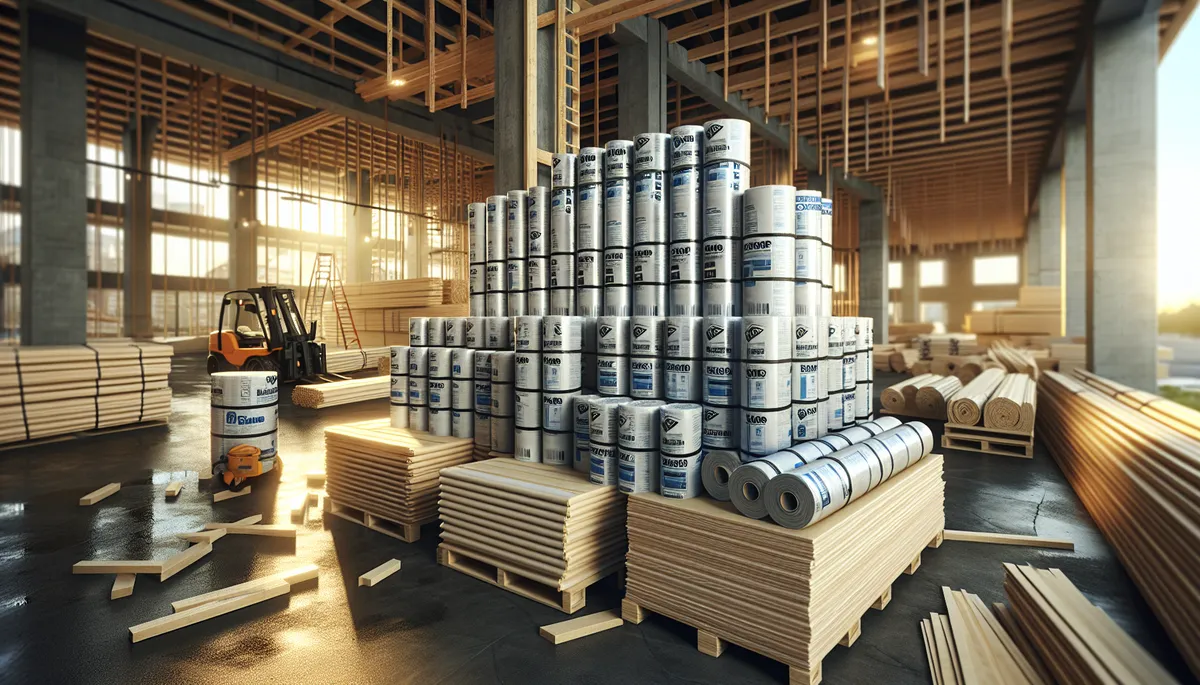
Choosing the right house wrap is one of the most critical decisions in modern construction. Whether you’re building a custom home, a commercial facility, or managing a large-scale residential development, the house wrap you select directly impacts moisture protection, energy efficiency, and the long-term durability of the building envelope.
In this comprehensive guide, we’ll compare the best house wraps on the market in 2026, break down what features matter most, and help you choose the perfect solution for your specific project needs.
What to Look for in a House Wrap
Before diving into specific products, it’s essential to understand the key performance characteristics that separate premium house wraps from basic options:
Water Resistance and Permeability
The primary function of any house wrap is to block liquid water while allowing water vapor to escape. This balance prevents moisture from entering the wall cavity while avoiding trapped condensation that can lead to mold and rot. Look for products with high water resistance ratings (measured in mm of water column) and appropriate vapor permeability (measured in perms).
Tear Strength and Durability
Construction sites are rough environments. Your house wrap needs to withstand installation abuse, wind, and exposure before siding installation. Both mullen burst strength and tear resistance (measured in pounds or newtons) indicate how well a product will hold up during and after installation.
UV Exposure Time
Construction delays happen. The best house wraps offer extended UV exposure ratings – from 90 days up to 12 months – giving you flexibility in your construction timeline without compromising the building envelope.
Air Barrier Properties
While not all house wraps function as air barriers, products with integrated air barrier properties can significantly improve energy efficiency when properly installed and taped. Understanding the difference between house wrap R-values explained helps set realistic expectations for thermal performance.
Top House Wraps Compared
Here’s how the leading house wrap products stack up across critical performance metrics:
| Product | Permeability (perms) | Tear Strength | UV Exposure | Price Range |
|---|---|---|---|---|
| Tyvek HomeWrap | 58 perms | 28 lbs (MD) / 20 lbs (CD) | 4 months | $$ |
| DRYline TSX | 16-20 perms | 50+ lbs (MD/CD) | 12 months | $$$ |
| Rex Wrap Royal | 12-16 perms | 45+ lbs (MD/CD) | 9 months | $$-$$$ |
| Typar | 11 perms | 32 lbs (MD) / 24 lbs (CD) | 6 months | $$ |
| Generic/Budget Wraps | 5-15 perms (varies) | 15-25 lbs (varies) | 60-90 days | $ |
Note: MD = Machine Direction, CD = Cross Direction. Pricing: $ = Budget (<$50/roll), $$ = Mid-range ($50-100/roll), $$$ = Premium ($100+/roll)
Best House Wrap for Residential Construction
Winner: Tyvek HomeWrap
For traditional residential construction, Tyvek HomeWrap remains the industry standard for good reason. Its high breathability (58 perms) makes it forgiving in various climates, particularly in humid regions where vapor drive is a concern. The product’s widespread availability, contractor familiarity, and proven 40+ year track record make it a safe choice for custom homes and production builders alike.
Tyvek’s 4-month UV exposure window accommodates most residential construction schedules, and its moderate tear strength handles typical installation conditions. For homeowners seeking additional features, Tyvek also offers variants like DrainWrap with integrated drainage channels.
Runner-up: DRYline TSX
For high-performance homes or projects in challenging climates, DRYline TSX offers superior durability and the longest UV exposure time in the industry (12 months). Our detailed DRYline vs Tyvek comparison shows how DRYline’s exceptional tear strength and built-in drainage plane technology justify the premium price for builders focused on long-term performance.
Best House Wrap for Commercial Construction
Winner: DRYline TSX
Commercial projects demand maximum durability, extended exposure times, and superior moisture management. DRYline TSX excels in all three categories. Its 50+ pound tear strength in both directions withstands the rigors of large-scale construction, while the 12-month UV rating provides critical scheduling flexibility for complex projects.
The integrated drainage technology is particularly valuable for commercial buildings where water intrusion could mean significant liability and remediation costs. DRYline’s performance specifications also help projects meet stringent building codes and green building certifications.
Runner-up: Rex Wrap Royal
Rex Wrap Royal offers an excellent balance of performance and value for commercial builders. As detailed in our Rex Wrap Royal vs Tyvek analysis, Rex Wrap delivers commercial-grade tear strength and a 9-month UV exposure window at a more competitive price point than DRYline, making it ideal for mid-rise commercial and multi-family projects.
Best House Wrap for Custom Printing and Branding
For builders, developers, and commercial projects seeking to enhance brand visibility or add professional aesthetics to job sites, custom house wrap solutions have become increasingly popular.
R-Value Associates Custom Solutions
At R-Value Associates, we specialize in custom-printed house wrap that doesn’t compromise performance. Our custom printing is available on premium substrates including DRYline TSX and other high-performance products, ensuring your branding doesn’t come at the expense of building envelope quality.
Custom house wrap offers several advantages:
- Brand Visibility: Turn every job site into a billboard for your company
- Professional Appearance: Demonstrate attention to detail and quality
- Security: Custom printing can deter material theft and help track inventory
- Differentiation: Stand out in competitive markets
Our guide on custom vs standard house wrap explores the cost-benefit analysis and helps determine if custom printing makes sense for your business.
Best Budget House Wrap Options
For projects with tight margins or lower-risk applications like sheds, garages, or basic residential construction, budget-friendly options can provide adequate protection:
When Budget Wraps Work:
- Fast construction schedules (siding installed within 60-90 days)
- Lower-value structures
- Dry climates with minimal moisture challenges
- Projects where basic water resistance is the primary goal
When to Avoid Budget Wraps:
- High-value homes or commercial buildings
- Coastal or high-wind environments
- Projects prone to construction delays
- When long-term warranties are important
The performance gap between premium and budget house wraps has narrowed in recent years, but critical differences in UV stability, tear strength, and manufacturing consistency remain. For most residential and all commercial projects, mid-range or premium products provide better long-term value.
Installation Considerations
Even the best house wrap will fail if improperly installed. Key installation practices include:
- Proper overlap: Horizontal seams should overlap 6 inches, vertical seams 6-12 inches
- Quality tape: Use manufacturer-approved tape for all seams and penetrations
- Shingling: Install from bottom to top to shed water properly
- Window integration: Flash windows before wrap installation or integrate wrap carefully
- Fastening: Use cap nails or staples per manufacturer specifications
Many house wrap failures traced to “product defects” are actually installation errors. Proper training and following manufacturer guidelines are essential regardless of which product you choose.
The Building Envelope Ecosystem
House wrap is just one component of a high-performance building envelope. For complete moisture protection, consider how your house wrap integrates with other systems, including roofing underlayment, flashing, and air sealing products.
A holistic approach to moisture management delivers better results than simply choosing the most expensive house wrap. Work with suppliers and consultants who understand system integration, not just individual products.
Making Your Decision
The “best” house wrap ultimately depends on your specific project requirements:
- For standard residential: Tyvek HomeWrap offers proven performance and contractor familiarity
- For high-performance residential: DRYline TSX provides maximum protection and scheduling flexibility
- For commercial projects: DRYline TSX or Rex Wrap Royal deliver the durability and exposure time commercial work demands
- For branding and aesthetics: Custom-printed options on premium substrates create marketing opportunities
- For budget-conscious projects: Mid-range options like Typar or quality generic wraps can work with proper installation and fast schedules
When in doubt, consult with building science professionals and consider your local climate, typical construction timelines, and long-term building performance goals. The few extra dollars spent on premium house wrap are insignificant compared to the cost of moisture-related callbacks and warranty claims.
Ready to discuss your specific project needs? Contact our team for expert guidance on selecting and sourcing the right house wrap solution, including custom-printed options that enhance both protection and branding.
Not sure how much you need? Use our house wrap calculator to find out exactly how many rolls your project requires.
Frequently Asked Questions
What is the best house wrap for moisture protection?
DRYline TSX offers the best overall moisture protection among leading house wraps, combining high water resistance, integrated drainage technology, and exceptional durability. For climates with high humidity and moisture challenges, its vapor permeability rating (16-20 perms) provides excellent moisture management while the built-in drainage plane creates a capillary break that promotes faster drying.
How long can house wrap be exposed to UV before siding installation?
UV exposure limits vary by product. Tyvek HomeWrap is rated for 4 months, Typar for 6 months, Rex Wrap Royal for 9 months, and DRYline TSX for up to 12 months. Budget house wraps typically offer only 60-90 days. Exceeding these limits can degrade the material’s water resistance and tear strength, potentially compromising building envelope performance.
Is expensive house wrap worth the extra cost?
For most residential and all commercial projects, premium house wrap is worth the investment. The cost difference between budget and premium house wrap is typically $200-500 per average home, but the performance benefits include better moisture protection, longer UV exposure time, superior tear resistance, and reduced callback risk. For a $300,000+ home, spending an extra $300 on the building envelope is insignificant insurance.
Can you use house wrap as a vapor barrier?
No, house wrap should not be used as a vapor barrier. House wraps are designed to be vapor-permeable, allowing water vapor to escape from wall cavities. Vapor barriers (typically less than 1 perm) trap moisture and are only appropriate in specific climate zones and wall assemblies. Using impermeable materials where breathable house wrap is needed can lead to condensation, mold, and rot.
What’s better for residential construction – Tyvek or DRYline?
Both are excellent choices with different strengths. Tyvek HomeWrap is ideal for standard residential construction with its high breathability (58 perms), proven track record, and 4-month UV rating. DRYline TSX is better for high-performance homes, challenging climates, or projects prone to delays, offering superior tear strength (50+ lbs), 12-month UV exposure, and integrated drainage technology. Budget typically determines the choice – Tyvek for cost-conscious quality, DRYline for maximum performance.
