

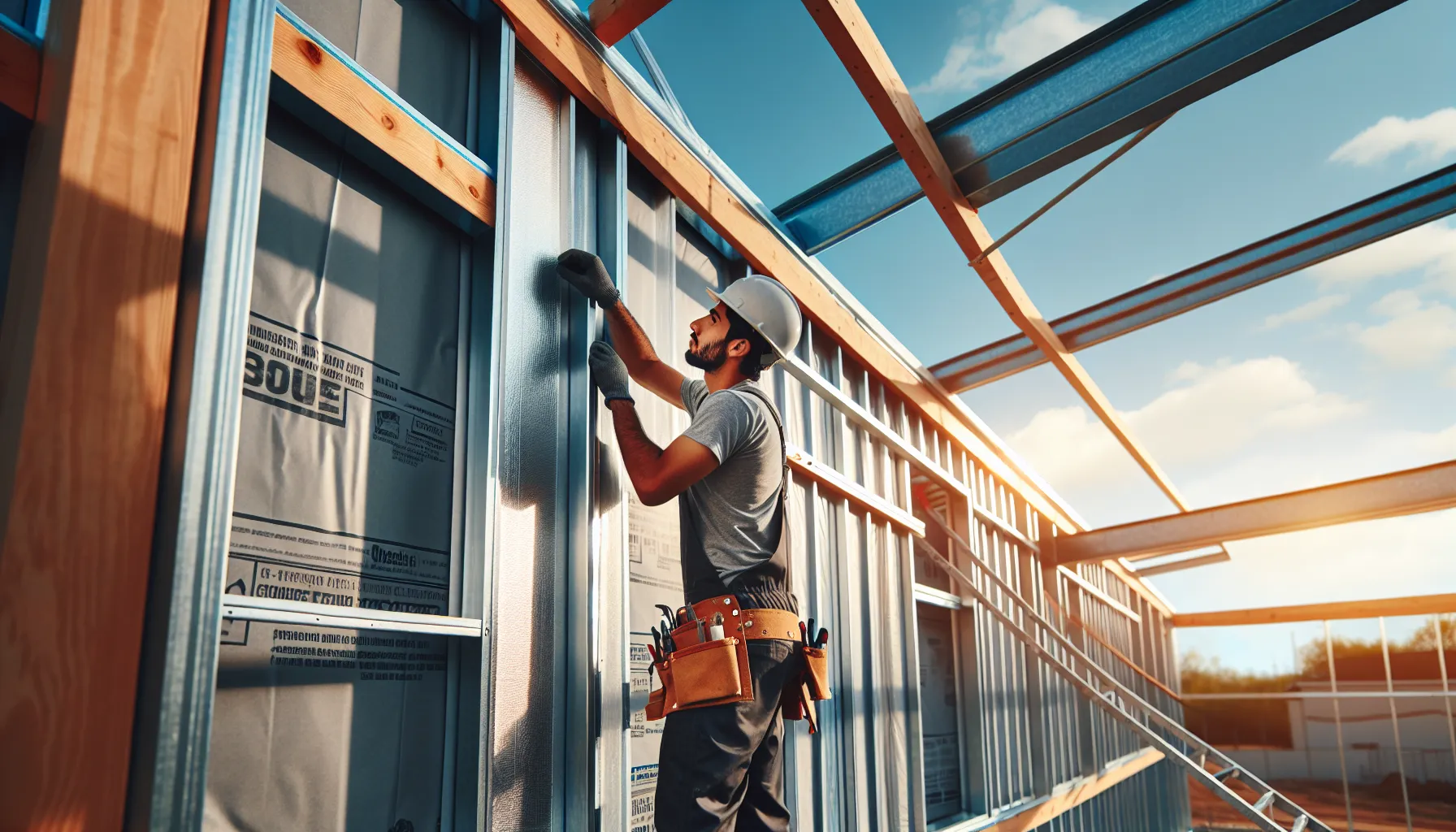
Metal buildings have become increasingly popular for commercial, agricultural, and residential applications due to their durability, cost-effectiveness, and quick construction timelines. However, one critical component often overlooked is proper moisture management. House wrap for metal buildings serves as an essential barrier against condensation, air infiltration, and moisture damage that can compromise the structural integrity and energy efficiency of these structures.
Why Metal Buildings Need House Wrap
Unlike traditional wood-framed structures, metal buildings present unique challenges when it comes to moisture control. The metal skin of these buildings conducts temperature rapidly, creating ideal conditions for condensation to form on interior surfaces. Without proper protection, this moisture can lead to rust, mold growth, insulation degradation, and structural damage.
House wrap acts as a secondary weather barrier, providing critical protection between the metal exterior and the building’s interior. It helps prevent wind-driven rain from penetrating joints and seams while allowing water vapor to escape from the interior, preventing moisture from becoming trapped within the wall assembly.
Condensation Control in Metal Structures
The primary concern with metal buildings is condensation. When warm, humid air inside the building contacts the cold metal surface, water droplets form. This is especially problematic in climates with significant temperature swings or high humidity levels. A properly installed weather-resistant barrier can dramatically reduce condensation issues by creating a capillary break and providing a drainage plane for any moisture that does penetrate the exterior cladding.
According to the U.S. Department of Energy, controlling moisture in building assemblies is crucial for preventing mold growth, improving indoor air quality, and maintaining the thermal performance of insulation systems.
Vapor Permeability Requirements
When selecting house wrap for metal buildings, vapor permeability is a critical specification. The material must strike the right balance: it needs to block liquid water from entering while allowing water vapor to pass through and escape to the exterior.
Most building codes require weather-resistant barriers to have a minimum permeance rating. Products with permeance ratings between 5 and 50 perms are generally considered ideal for most climates. This range provides adequate breathability while still offering excellent water resistance.
Understanding Perm Ratings
A perm is a unit of measurement for vapor transmission. Higher perm ratings indicate greater breathability. For metal buildings, you want a house wrap that:
- Prevents bulk water intrusion (water resistance rating of at least 55 inches of hydrostatic head)
- Allows vapor to escape (permeance of 5-50 perms)
- Provides air resistance to reduce infiltration
- Maintains integrity under UV exposure during construction
The Building Science Corporation emphasizes that proper drainage plane design is essential in all climate zones, with the weather-resistant barrier serving as the primary defense against water intrusion.
Installation on Metal Framing vs Wood Framing
Installing house wrap on metal buildings requires different techniques compared to traditional wood-framed construction. The attachment methods, sealing procedures, and compatibility considerations all vary based on the framing material.
Metal Framing Installation
When working with metal framing, standard stapling methods won’t work. Instead, installers typically use:
- Self-tapping screws with plastic cap washers: These provide secure attachment without creating large penetrations
- Adhesive-backed tapes: High-performance tapes designed for metal surfaces can secure seams and overlaps
- Mechanical fastening systems: Specialized clips and fasteners designed for metal-to-fabric connections
The key is ensuring the house wrap maintains continuous contact with the framing while avoiding excessive penetrations that could compromise the air and water barrier. All seams should overlap by at least 6 inches, and horizontal seams should be shingled to shed water downward.
For detailed guidance on proper installation techniques, refer to our comprehensive house wrap installation guide.
Best Products for Metal Construction
Not all house wraps are created equal, especially when it comes to metal building applications. The best products for this use case share several key characteristics:
High-Performance Synthetic Wraps
Synthetic house wraps made from woven polyolefin or spunbond polypropylene offer superior strength and tear resistance compared to traditional felt paper. These products typically provide:
- Enhanced UV resistance for extended exposure during construction
- Superior tear strength to withstand metal building installation conditions
- Consistent vapor permeability across the entire product
- Lightweight construction that simplifies handling on large metal building projects
When comparing different house wrap options, consider both performance characteristics and compatibility with metal building systems. Our guide to the best house wrap products provides detailed comparisons of leading options.
Code Requirements and Compliance
Building codes increasingly recognize the importance of continuous weather-resistant barriers in all types of construction, including metal buildings. The International Building Code (IBC) and International Residential Code (IRC) both contain specific requirements for weather-resistant barriers.
Key Code Provisions
Most jurisdictions require:
- A continuous weather-resistant barrier behind exterior cladding
- Proper flashing at all openings, transitions, and penetrations
- Integration with roofing and foundation waterproofing systems
- Vapor permeability appropriate for the climate zone
Understanding the distinction between weather barriers and vapor retarders is essential for code compliance and building performance. Learn more in our article on house wrap vs vapor barrier.
Common Mistakes to Avoid
Several installation errors can compromise house wrap performance in metal buildings:
- Using incompatible fasteners: Standard staples won’t work with metal framing – use appropriate mechanical fasteners
- Inadequate sealing: Failing to seal seams and penetrations creates air and water leakage paths
- Wrong product selection: Using low-permeability products can trap moisture in the wall assembly
- Poor integration: Not properly tying the house wrap to windows, doors, and other penetrations
- Reverse shingling: Installing from top to bottom instead of bottom to top can direct water into the wall
For comprehensive guidance on building envelope design and how house wrap integrates with other building systems, explore our resource on building envelope design.
Related Resources
- House Wrap vs Vapor Barrier: Understanding the Differences
- Complete House Wrap Installation Guide
- Best House Wrap: Comprehensive Product Comparison
- Building Envelope Design for Maximum Performance
Use our house wrap calculator to estimate exactly how much material your project requires.
